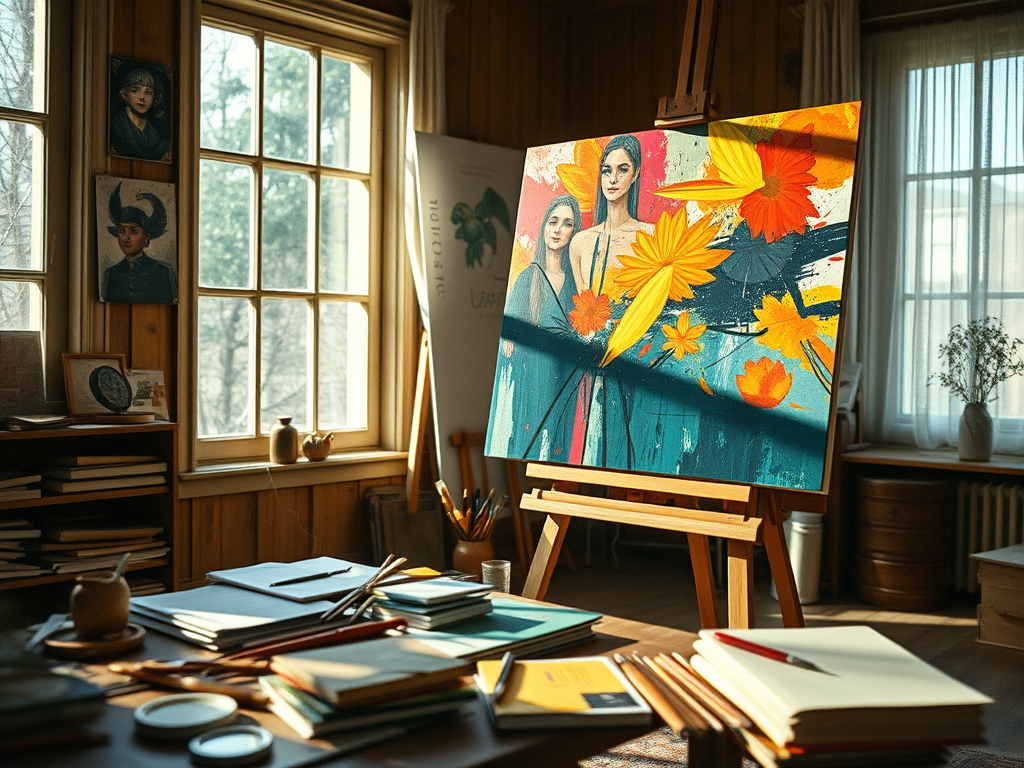
Storytelling through art is a powerful medium that transcends words, relying on visual elements to convey narratives, emotions, and experiences. One of the fundamental techniques artists use is symbolism, where objects, colors, and forms represent larger ideas. For instance, the use of light and shadow can create a dramatic tension or contrast. Which emphasizing a conflict within the story. Similarly, specific colors can evoke emotions or moods—blue for calmness, red for passion or danger. By using symbolic imagery, artists communicate layers of meaning. They do so without the need for explicit explanation. This approach allows viewers to interpret and engage with the work on a personal level.
Composition also plays a critical role in visual storytelling. The way elements are arranged within a piece guides the viewer’s eye and helps build a narrative. Techniques like the rule of thirds, leading lines, and framing can direct attention to focal points. These approaches create a sense of movement or flow within the artwork. An artist positions characters or objects to tell a linear story. Alternatively, they juxtapose elements to invite multiple interpretations. Through careful composition, the artist controls the pacing of the visual narrative. They create either a quiet, reflective moment or a dynamic, fast-paced scene.
Here are a few artist famous for their attention to focal points, composition and leading lines:
Leonardo da Vinci – The Last Supper
• Leonardo da Vinci masterfully used leading lines and the rule of thirds in The Last Supper, drawing the viewer’s attention to Christ at the center of the composition
Johannes Vermeer – Girl with a Pearl Earring
• Vermeer’s use of soft framing draws attention to the face of the girl. Her earring is highlighted by the placement on the rule of thirds grid.
Vincent van Gogh – Starry Night
• Van Gogh’s swirling lines in Starry Night serve as leading lines. They guide the viewer’s eye around the painting. These lines emphasize the night sky’s movement.
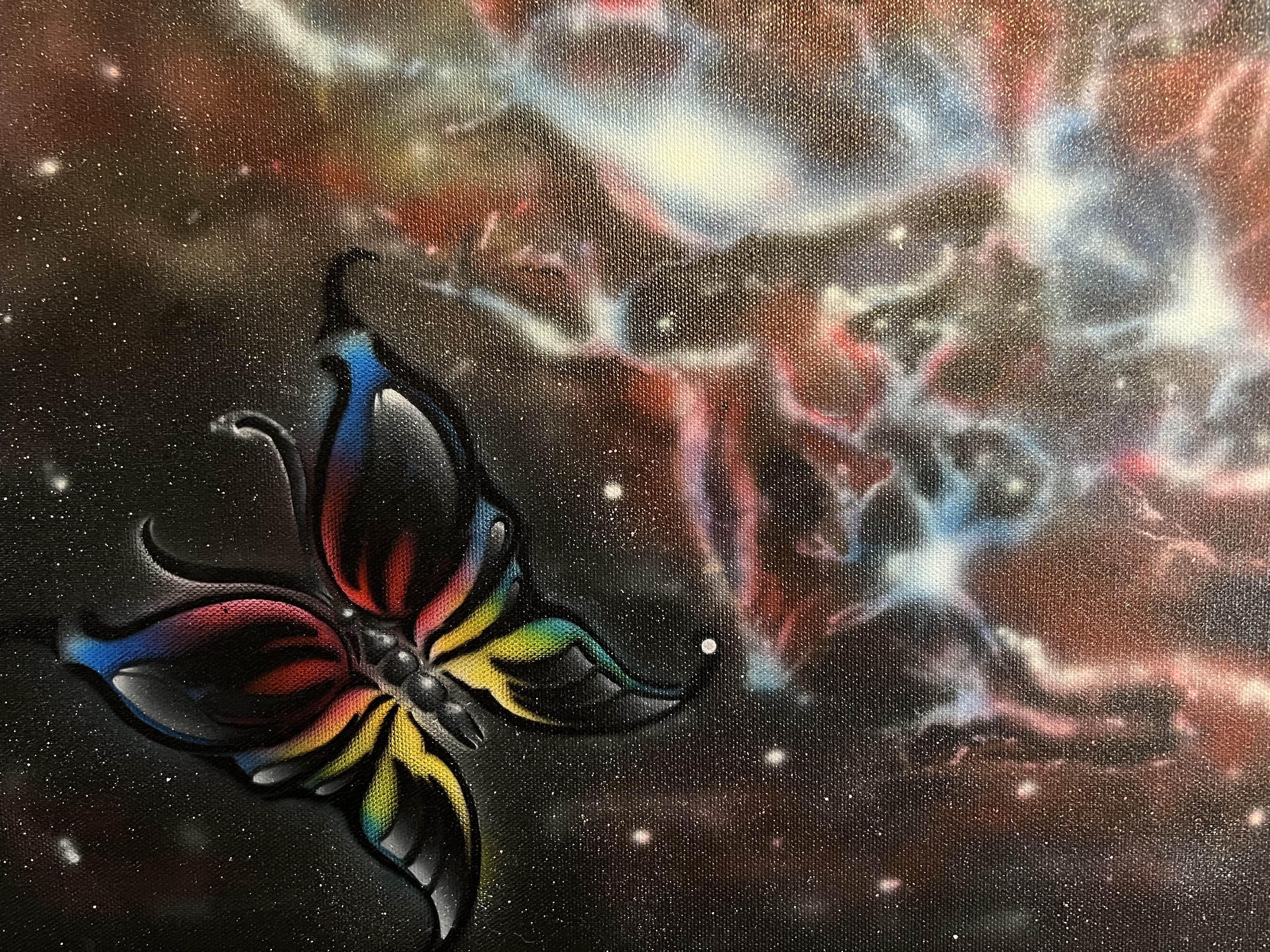
Another essential storytelling technique in art is the use of texture and medium. Different materials and textures can evoke specific feelings or associations, adding depth to the narrative. For example, a smooth, polished surface conveys serenity or perfection, while rough, textured strokes suggest chaos or struggle. The medium itself—whether oil paints, watercolors, or airbrushing—also contributes to the story, as each has its own visual language. Airbrushing, for instance, can create a dreamy, ethereal quality. It is well-suited for narratives that involve fantasy or surrealism. Heavy oil paints be used for more grounded, emotional storytelling.
Lastly, perspective and point of view are key techniques that influence the narrative within a piece of art. Artists can choose to show a scene from a first-person perspective. This immerses the viewer directly into the story. Alternatively, artists can use an omniscient point of view. This offers a broader understanding of the scene. Playing with scale and distance within the artwork can shift the viewer’s perception of importance. Larger figures represent power or dominance. Smaller elements suggest vulnerability or insignificance. By adjusting these visual techniques, artists create a narrative that resonates on multiple levels. It engages both the mind and the senses.
Graphic Storytelling and Visual Narrative
We are a participant in the Amazon Services LLC Associates Program
Designed with WordPress

 Niver’s blog
Leave a reply to The Healing Power of Art: Enhance Your Well-Being – Niver’s Art Cancel reply